
How to Litter-Train a Kitten Quickly in 6 Easy Steps
Start Smart: Litter-Train Your Kitten in Days
Fast, stress-free litter training is possible with the right setup and routine. Follow six clear steps to teach your kitten where to go quickly, kindly, and confidently with lasting success.
What You'll Need
Pick the Perfect Litter Box and a Winning Location
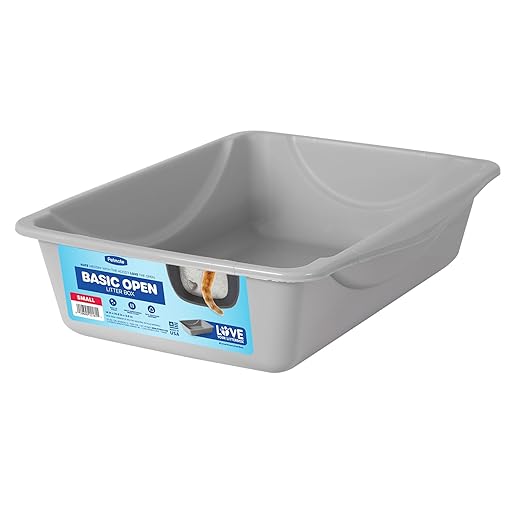
Why the box — and its spot — can make or break training (surprising, right?).Choose a low-sided, easily accessible box so your kitten can step in and out without climbing. Avoid deep or covered boxes at first; a hood can hide danger and trap odors that scare a kitten away. Pick a box large enough for turning and digging.
Place the box in a quiet, low-traffic spot that’s easy to reach — for example, a spare bathroom or a quiet hallway — but not next to noisy appliances like washers, dryers, or furnaces.
Follow these quick placement rules:
Proper placement reduces confusion and encourages consistent use from the start.

Select Litter Your Kitten Will Love
Not all litters are created equal — texture and scent can speed up success.Choose an unscented, fine-grain litter that mimics soil so it feels comfortable under tiny paws.
Avoid perfumed, very dusty, or crystal litters at first; many kittens reject strong scents or rough textures.
Transition slowly if you must switch litters. Mix a small amount of the new litter into the old, then increase the ratio over several days until fully switched.
Keep litter depth shallow — around 1–2 inches — so kittens can dig without difficulty.
Test one or two types quickly to learn your kitten’s preference. For example, if your kitten sniffs and walks away from clay, try a fine natural clumping or paper-based litter and observe which one they use reliably.

Establish a Consistent Routine and Supervise Closely
Routine beats luck — when should you bring your kitten to the box so accidents disappear?Bring your kitten to the box after waking, after play sessions, and after meals — these are the moments they’re most likely to need it.
Supervise closely when they’re roaming free and watch for sniffing, crouching, or circling — these are common signals they need the litter box.
Confine them to a smaller, comfortable area with the litter box when you can’t watch, then gradually increase freedom as reliability improves.
Place them on the litter a few seconds when you notice signs — for example, after a 10‑minute “zoomie,” carry your kitten to the box and let them dig.
Repeat these cues and timing daily to build quick, reliable habits.
Use Positive Reinforcement — Reward Immediately
Tiny treats, big results: reward fast to lock in the right habit.Praise your kitten the moment they finish in the box. Give gentle petting, a short praise word, or a tiny treat within one second so they connect the action with the reward.
Use a consistent reward cue — a single word like “Yes!” or a clicker — every time you reward. For example: after a nap your kitten uses the box, say “Yes!”, drop a pea‑sized treat, then stroke them briefly.
Repeat this pattern every successful use to build a fast, positive association.

Handle Accidents Calmly and Correct the Environment
Accidents are lessons, not failures — here’s how to respond so they stop happening.Clean accidents immediately with an enzyme cleaner to remove odors that attract repeat soiling. Use products labeled “enzyme” — they break down urine molecules.
Avoid ammonia‑based or strong bleach cleaners; they can mimic urine and draw your kitten back to the spot.
Never scold or rub your kitten’s nose in an accident. Instead, check practical causes: is the box too far, the litter different, the box dirty, or could a medical issue be involved? Schedule a vet check if so.

Gradually Expand Freedom and Troubleshoot Problems
From supervised room to whole house — how to expand access without backsliding.Expand access slowly. Allow one new room at a time and monitor your kitten for 48–72 hours. For example, open the living room door while keeping bedroom doors closed; watch where your kitten chooses to eliminate.
Monitor closely. If regressions occur, restrict access again and reassess box placement, litter type, cleanliness, or household stressors (new people, loud noises, other pets).
Act on warning signs. If you notice straining, blood, vocalizing, or very frequent urination, consult your vet immediately.
Provide for multiple cats. Place one box per cat plus one extra and distribute boxes in different rooms to avoid dominance or guarding.
With gradual freedom and problem-solving, litter habits will generalize across the home.
Quick Wins and a Little Patience
Follow these six steps consistently, reward successes, and stay calm with setbacks — most kittens are reliably trained in days to a few weeks. Ready to start right now, then?


Really helpful guide — I followed steps 1, 2 and 3 and saw improvement in two days! A couple of practical notes from my experience:
1) Put the box in a quiet corner but not too hidden — my kitten ignored it when it felt like a cave.
2) Scoop daily, changed the litter after 5 days, and that seemed to reset any weird preferences.
3) Be patient with accidents; praise works WAY better than scolding.
Also, tiny tip: I swapped to a low-sided box for the first week so she could hop in easily. 🙂
Thanks for sharing these practical tweaks, Ryan — low-sided boxes are an excellent tip for kittens. Glad the routine helped!
Question: when you changed litter after 5 days, did you switch brand or just refresh? My kitten seems picky.
This guide made me less anxious about bringing home a new kitten. Two quick notes:
– Put a second, smaller box near where they nap — kittens often go right after sleeping.
– Keep praise upbeat and immediate — they connect much faster than I expected.
Also, random typo in step 4? It says “Reward Immediately” and then later mentions waiting a minute. I guessed it means reward within a couple seconds — maybe clarify that timing.
Honestly, step 3 (routine + supervise) saved me. I was about to give up because she kept going in the laundry basket. Turns out she preferred the texture — moved a box next to the basket and problem solved. Short, sweet, effective.